Showing posts with label stress management. Show all posts

Tuesday, April 26, 2016

7 Signs You Might Not Be Eating Enough Protein

Your body has ways of telling you that you’re not eating enough eggs, lean meat, fish, nuts, dairy, and protein-rich vegetables to fuel your muscles and overall health.

You constantly feel weak and hungry


Terry Hope Romero, author of a number of bestselling cookbooks for health foods, noticed that her vegan diet was leaving her unsatisfied and lacking energy throughout the day. “When you work full time and have a long commute, and you regularly work out or you have a lot of errands to run, it can be easy to fill up on processed carbs,” says Romero. “To feel full every day, especially when you’re working out to build muscle, it’s not really the best approach.” Protein takes longer to digest, which makes you feel full and energized. When Romero started consuming more protein (by adding natural protein powders like hemp protein and brown rice protein to everyday foods, as featured in the recipes of her newest book Protein Ninja), she started feeling stronger and more satisfied. Here’s how to eat more protein without even trying.

Your muscles look MIA


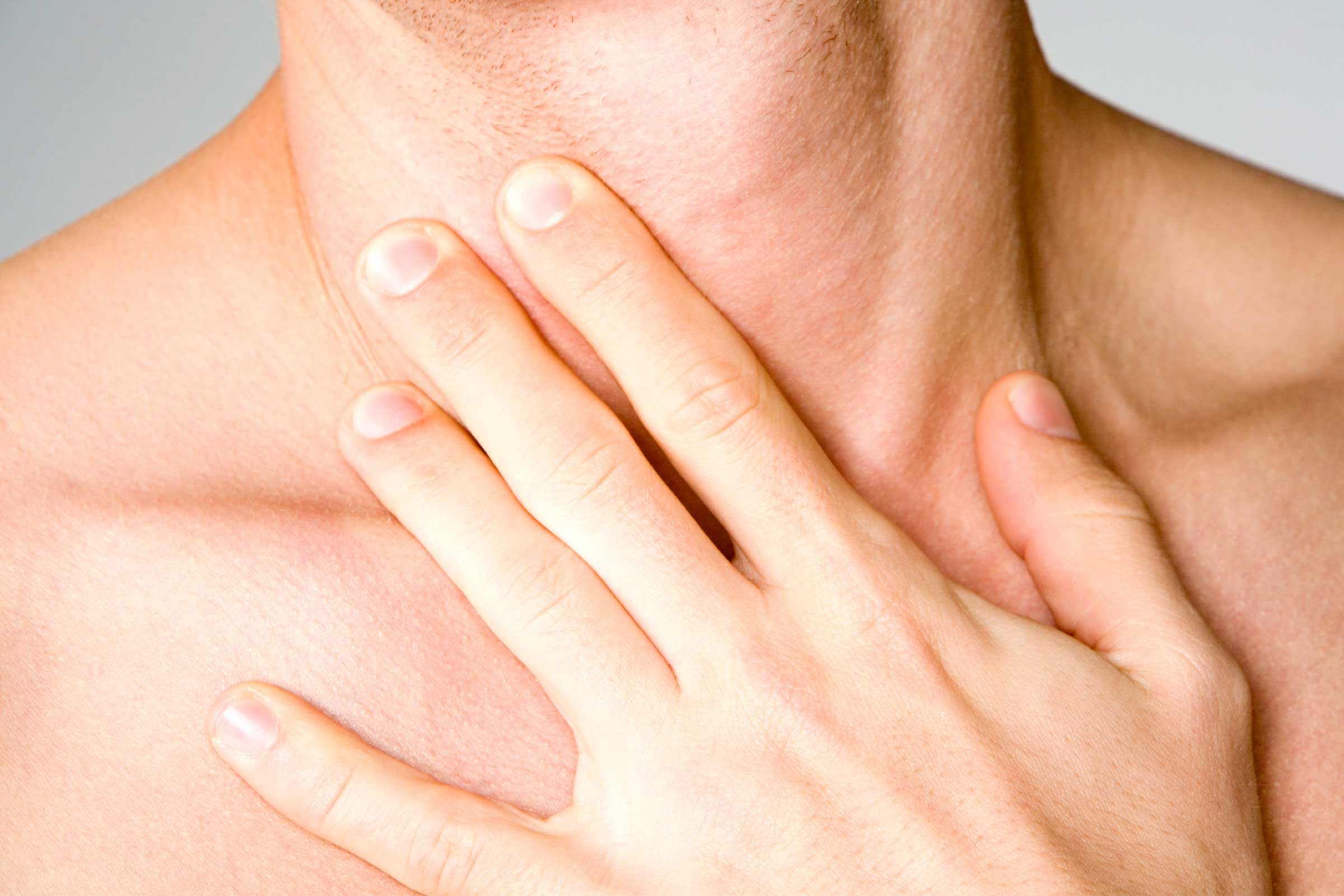
It takes more than daily gym visits to look and feel strong. If you don’t eat enough protein to fuel your body’s tissues with the necessary amount of amino acids (protein’s small subparts), your body has no choice but to start breaking down your muscles to get amino acids from their fibers, according to SFGate.com. One key body part to watch is the clavicle, says Jessica Bihuniak, PhD, RD, assistant professor of nutrition at New York University’s Steinhardt School of Culture, Education, and Human Development. If your collarbone is becoming especially prominent, it could be time to make sure you’re eating enough protein and enough calories in general.

You’re struggling to lose weight


Research in the journal Nutrition Metabolism found that dieters who boosted their protein intake to 30 percent of their total calories ate nearly 450 fewer calories each day and lost 11 pounds over a three-month period, Women’s Health reported. Eating enough protein is especially important on a diet because it helps ensure that you lose fat, not metabolism-boosting muscle, as you slim down. “High-protein foods take more work to digest, metabolize, and use, which means you burn more calories processing them,” the magazine notes. “They also take longer to leave your stomach, so you feel full sooner and for a longer amount of time.”

You’re losing your hair


Occasionally nutritionists will test the health of their clients’ diets by asking them to run their hands through their hair to see how much falls out with just a gentle tug. Hair is made primarily of protein; your hair needs adequate protein to grow and stay healthy. If the body is deprived of protein from your diet, it will try to conserve protein levels as much as it can and shift hair growth into a “resting phase,” notes WebMD. This means you may find yourself shedding more hair than usual. Maintain a healthy mane by eating two to three servings of protein a day, like these high-protein lunches. Here are other secrets your hair is trying to tell you about your health.

You’re always getting sick


Avoiding the sniffles often requires more than just good hygiene and good sleep; good nutrition is key, too. The immune system depends on the right fuel to function correctly. A study published in Progress of Food and Nutrition Science concluded that being deficient in protein results in the loss of T cells, important germ fighters. As a result, the immune system can’t ward off bacteria or viruses as well.

Your lower legs and feet swell up unexpectedly


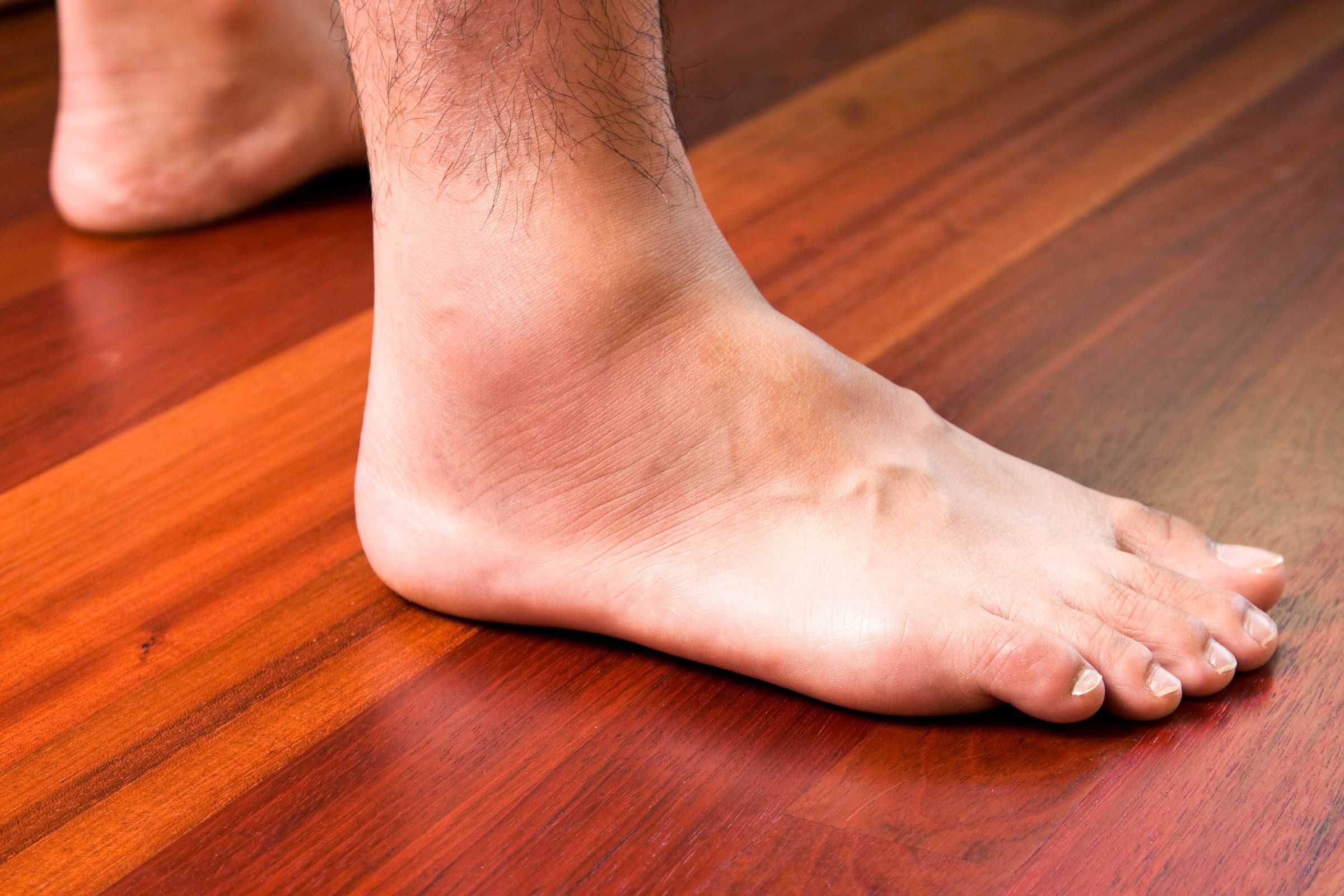
If you skimp on protein, you may find yourself prone to fluid retention around your ankles and feet. Proteins help to hold salt and water in blood vessels; without enough protein, these fluids can seep into surrounding tissues, according to Harvard Health Publications. The bloated sensation of one’s swollen lower legs and feet—called edema—is uncomfortable. It usually results in stretched or shiny skin that retains a fingerprint after being pressed for a moment.

Your skin gets patchy in places


A protein deficiency can sometimes result in a flaky dermatitis, or irritation of the skin, especially on the back of the thighs and on the buttocks, says Dr. Bihuniak. Lack of a certain protein in the skin’s protective barrier can make skin more vulnerable to allergens and other irritants. In addition to upping your protein intake, these eczema home remedies can help heal your skin too.


source by :  http://www.rd.com/health/healthy-eating/protein-deficiency-signs/

Friday, April 15, 2016

11 Surprising Home Remedies for Constipation

Constipation remedy: Sesame seeds


The oily composition of sesame seeds works to moisturize the intestines, which can help if dry stools are a problem. Add the seeds to cereals or salads for crunch, or pulverize them in a coffee grinder and sprinkle on food like a seasoning. This home remedy for constipation is a favorite of Amish and Chinese folk healers.

Constipation remedy: Molasses


One tablespoon of blackstrap molasses before bed should help ease your constipation by morning. Blackstrap molasses is boiled and concentrated three times, so it has significant vitamins and minerals; magnesium in particular will help relieve your constipation.

Constipation remedy: Fiber


Fiber acts like a pipe cleaner, scrubbing food and waste particles from your digestive tract and soaking up water. It adds bulk to your stool, giving the muscles of your GI tract something to grab on to, so they can keep food moving along. Aim for 20 to 35 grams of fiber a day to stay regular. Foods particularly high in fiber include bran cereals, beans, lentils, oatmeal, almonds, barley, many vegetables, and fresh and dried fruits. If you're constipated and taking in additional fiber, be sure to drink more water than usual to keep your stool soft and easy to pass.

Constipation remedy: Mint or ginger tea


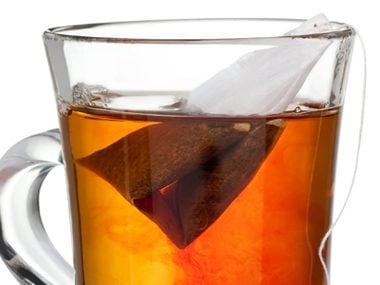
Mint and ginger are both proven home remedies to help alleviate a slew of digestive problems. Peppermint contains menthol, which has an antispasmodic effect that relaxes the muscles of the digestive tract. Ginger is a "warming" herb that causes the inside of the body to generate more heat; herbalists say this can help speed up sluggish digestion. In tea, the hot water will also stimulate digestion and help relieve constipation. Dandelion tea is also a gentle laxative and detoxifier.

Constipation remedy: Healthy fats


Olive oil, nuts, and avocados all contain healthy fats, which can help lubricate your intestines and ease constipation. A salad with fiber-rich leafy greens and a simple olive oil dressing, a small handful of nuts, or a tablespoon of natural nut butter on fruit or toast are good options. Even if you're watching your weight, healthy fats are necessary for basic body functions; they are very satiating to keep you satisfied with less.

Constipation remedy: Lemon water


The citric acid in lemon juice acts as a stimulant to your digestive system and can help flush toxins from your body. Squeeze fresh lemon juice into a glass of water every morning, or add lemon to tea; you may find that the refreshingly tart water not only acts as a natural remedy to your constipation but also that it helps you drink more water each day, which will improve your long-term digestion.

Constipation remedy: Coffee


Coffee can stimulate your colon and speed up your trip to the bathroom. Other hot drinks work too: Herbal tea or a cup of hot water with a little lemon juice (a natural laxative) or honey may stimulate your colon as well. Coffee is also a diuretic, however, so make sure to keep drinking water or your constipation could become worse.

Constipation remedy: Raisins


High in fiber, raisins also contain tartaric acid, which has a laxative effect. In one study, doctors determined that panelists who ate 4 1/2 ounces of raisins (one small box) per day had their digested food make it through the digestive track in half the time it took other subjects who did not. Cherries and apricots are also rich in fiber and can help kick your constipation. Eat these fruits with a bowl of yogurt for the added benefits of gut-soothing probiotics.

Constipation remedy: Prunes


These fiber-rich fruits are a go-to home remedy for getting your digestion back on track. Three prunes have 3 grams of fiber, and they also contain a compound that triggers the intestinal contraction that makes you want to go. Another great dried fruit choice is figs, which may not cause as much bloating as prunes.

Constipation remedy: Castor oil


This home remedy for constipation has been handed down for generations. One of the primary uses for castor oil is as a laxative; take 1 to 2 teaspoons on an empty stomach and you should see results in about 8 hours. Why? A component in the oil breaks down into a substance that stimulates your large and small intestines.

Constipation remedy: Exercise


Even a daily 15-minute walk can help move food through your bowel more quickly. If you feel sleepy after a heavy meal, try to move around instead of lying down. Jumpstarting the digestive process can help you avoid that painfully full feeling that often follows a large meal.

SOURCE BY : http://www.rd.com/health/conditions/home-remedies-constipation/

Wednesday, April 13, 2016

10 Lies About The Atkins Diet!

You'll discover the real truth about low carb diets and a real solution to the problem of excess body fat that is beautiful in its simplicity, yet powerful in effectiveness. Read on to learn the 10 Lies about the Atkins diet and discover the truth!

Low carbohydrate diets such as Atkins have always been controversial, but with the recent wave of new research and publicity, the controversy is now raging hotter than ever. One headline in the San Francisco Chronicle said that the battle between the low and high carbers had become so heated since mid 2002 that "Knives had been drawn."

From my vantage point (as a health and fitness professional down in the trenches), it looks more like tanks, artillery and machine guns have been drawn! Tragically, the people being hurt the most by these "diet wars" are not the experts, but the dieters.

After its original publication in 1972, The Atkins Diet was regurgitated in 1992 as "Dr. Atkins New Diet Revolution," creating a new surge of interest in low carbohydrate dieting.


Then, in July of 2002, the controversy reached an all time high when the New York Times Magazine published an essay by Gary Taubes titled, "What if it's all been a big fat lie?" The article suggested that new research was now proving the late Dr. Atkins had been right all along.

More research in 2003 seemed to corroborate the Taubes story: Two studies in the New England Journal of Medicine in May of 2003, and another in June 2003 in the Journal of Clinical Endocrinology and Metabolism, suggested that Atkins was equally, if not more effective for weight loss than conventional diets - at least in the short term.

With the publication of this new information, Atkins supporters boasted, "See, I told you so," while their opponents fired back in defense of their high carb, low fat positions. Meanwhile, low carb foods and supplements became all the rage, bread and pasta sales took a nosedive and the wheat industry cried the blues.

With differences in opinion as opposite as the North and South Poles, it's become unbearably confusing and frustrating to know which weight loss method is best and safest. At the date of this writing, in late 2003, obesity has reached an all time high -AGAIN!

According to the Journal of the American Medical Association, 64% of Americans are overweight and 31% are obese, and it's still getting worse.

Obviously, the popular weight loss methods today - including the low carb diet - are still missing something? But what?

If you're confused by the whole high carb, low carb thing and if you're frustrated with your attempts at trying to lose weight and keep it off, then this may be the most important report you will ever read.

In the next few minutes, you'll discover the real truth about low carb diets and a real solution to the problem of excess body fat that is beautiful in its simplicity, yet powerful in effectiveness. Read on to learn the 10 Lies about the Atkins diet and the truth that will set you free?

LIE 1 /// THE ATKINS AND OTHER LOW CARB DIETS DON'T WORK

If your definition of what "works" is quick weight loss, then the Atkins Diet DOES work. Recent studies showed that the Atkins Diet causes greater weight loss than the American Heart Association-recommended high carb, low fat diet.

In fact, for obese people with disorders of carbohydrate metabolism (hyperinsulinemia, hypoglycemia, and insulin resistance), Atkins-style diets have been shown to work especially well.

However, if your definition of what "works" is permanent fat loss, then the Atkins diet doesn't fare so well... but then again neither do any other diets. It seems that despite some encouraging initial successes, Atkin's dieters still face the same difficulties in keeping off the weight as everyone else.

Some of the same studies showing rapid weight loss on Atkins in the beginning also showed substantial weight gain as soon as the diets ended.

Truth is, a growing body of evidence is mounting that carbohydrate restriction can accelerate weight loss in the short term, but it has yet to be proven that it keeps the fat off in the long run.

Which approach towards low carb dieting is best is also up for debate: Not all low carb diets are high fat or ketogenic and not all are "ultra-low" in carbs. A low carb diet can be low in carbs and high in fat, it can be low in carbs and high in protein, or it can be somewhere in the middle.

I predict that continued research will discover that moderate carbohydrate restriction (especially in a cyclical fashion) and careful selection of carbohydrates, will in fact assist with fat loss via hormonal control, metabolic efficiency and appetite regulation.

I believe that neither extreme - the severely restricted low carb diet (ketogenic diet) or the very high carb, low fat diet - will emerge the victor.

LIE 2 /// THERE'S A TON OF NEW RESEARCH PROVING THE ATKINS DIET IS EFFECTIVE

If you surf around the Internet for a while searching for "Atkins Diet," you are likely to see a lot of advertisements and news briefs pointing to the new research "proving" that Atkins is effective.

"New England Journal of Medicine Vindicates Atkins diet."

"Studies suggest Atkins diet is safe."

"New research challenges 30 years of Nutritional Dogma."

Truth is, these headlines are not giving you the full picture.

Until and unless you have closely examined these studies and the researcher's interpretation of the results, don't be so quick to believe the diet hearsay and gossip.

The general conclusion of nearly all these studies is that Atkins IS equally if not more effective for short term weight loss than conventional diets. However, nearly all the researchers also conclude with remarks such as:

"The results are very preliminary,"
"The take-home message is that this diet deserves further study."
"More research is needed."

Furthermore, consider what the Atkin's diet was being compared to in these studies: The traditional "food pyramid" diet with 60-65% carbs including plenty of pasta, cereals and bread, right?

What if the traditional high carb diet is wrong too?

Don't write off carb restriction completely, but don't ditch all your carbs yet either?

LIE 3 /// THE NEW STUDIES PROVE THAT THE ATKINS DIET IS HEALTHY AND DOESN'T RAISE CHOLESTEROL AS PREVIOUSLY BELIEVED

In a May of 2003, the results of a 12-month study on the Atkins diet were reported in the New England Journal of Medicine (NEJM). One group followed the traditional food pyramid with 60% of the calories from carbohydrates while the second group followed the Atkins diet.

After one year, Atkins participants had a greater increase in the good HDL cholesterol and a larger drop in triglyceride than the high carb group.

The leader of the study, Gary Foster said, "Our initial findings suggest that low carb diets may not have the adverse effects we anticipated."

Conventional wisdom has dictated for years that saturated fat and cholesterol were dangerous and unhealthy, contributing to coronary heart disease. This led most health professionals to condemn low carb diets that allowed large amounts of saturated fat.

This belief is now being questioned. Many authors such as Mary Enig and Uffe Rashnkov have presented compelling cases that dietary cholesterol and saturated fat do not cause heart disease. The latest research seems to confirm this. However, many factors affected the results of these new studies.

In some studies, the subjects did not follow the Atkins Diet to exact specifications and never entered ketosis, so conclusions about saturated fat, dietary cholesterol, ketosis and coronary health cannot be drawn yet.

In other studies, cholesterol-lowering drugs were used. And in still others, some subjects actually showed increases in total cholesterol. Those who did show improvements may have previously been on a high refined sugar, high saturated fat diet and dropping the sugar was one step in the right direction.

Furthermore, some of the drop in blood cholesterol could be attributed to the decrease in body weight.

Clearly, you can't lump all dietary fats into the same category. Processed and chemically altered trans fats have been condemned by virtually every health and nutrition expert on the planet.

Other fats, like salmon and fatty fish, are among the healthiest and cardio-protective foods you can eat. Much evidence is showing that reasonable amounts of naturally occurring saturated fats such as those found in whole eggs and red meat also need not be feared (especially in the absence of sugars).

Truth is, all the information we have available at this time indicates the "fat phobia" and "fat makes you fat" scare has been unfounded because not all fat is the same. However, claims that diets very high in overall and saturated fat are healthy and safe for long term use are still premature.

LIE 4 /// THE ATKINS DIET WILL HELP YOU KEEP FAT OFF FOR GOOD

Dr. Atkins writes that his diet "Is so perfectly adapted to use as a lifetime diet that, unlike most diets, the weight won't come back."

It's a weight loss axiom that the more extreme a diet and the faster the weight loss, the more difficult it usually is to maintain the results. Slow, steady and balanced seems to win the race when it comes to weight control.

Unfortunately this isn't what most people want to hear. The four pounds per week and up to 15 pounds in the first two weeks that Atkins promises sounds much more impressive.

There are two things you really need to know about rapid weight loss:

What kind of weight was lost? How much of it was body fat and how much was water, glycogen and lean tissue?
Are you going to keep the weight off for good?
Most low carbers won't keep the weight off for more than a year, and many will fall off the wagon long before that.

Keith Ayoob, a spokesperson for the American Dietetic Association, said in an official ADA statement about the 2003 NEJM studies: "Twelve months is an equalizer; you hit a wall. Your lifestyle starts to be affected and you get bored. A high dropout rate is a sign that extreme diets can be difficult to maintain.

Truth is, despite Dr. Atkin's claims and the new research apparently supporting them, we still don't know what will happen in the long run. Based on the results of the recent three, six, and twelve month studies, researchers have begun to organize longer trials. One of them will be five years in length.

What I believe you will see in long term studies is that Atkins and other low carb diets, while effective for weight loss in the short term, will be found no more effective for long term fat loss than any other restrictive diet (and that's NOT very effective).

LIE 5 /// CALORIES DON'T COUNT AND YOU CAN EAT AS MUCH AS YOU WANT WHILE ON THE ATKINS DIET

Dr. Atkins proposed that calories don't count and he advised his clients to eat as much as they want while on his program. Atkins wrote, "The so called calorie theory has been a millstone around the necks of dieters and a miserable and malign influence on their efforts to lose."

Here's the truth about calories and low carb diets:

When you go on a very low carb (ketogenic) diet with more fat, your appetite is diminished and you feel fuller (because fat is more satiating than carbs).

Appetite control may be a legitimate benefit of the Atkins diet, especially for individuals who struggle with hypoglycemia, hunger and cravings. As Dr. Atkins points out, "Our physical urges are hard to combat."

However, this does not mean you can eat as much as you want. It means that your hunger may be blunted on Atkin's plan, causing you to automatically eat less without counting calories or even thinking about calories.

People on the Atkins diet who lose weight are not eating more than they burn and losing fat in spite of it. Whether you count calories and consciously eat fewer than you burn, or you don't count them and unconsciously eat fewer than you burn, either way, the end result is the same.

While counting calories in the literal sense is clearly not always necessary, you always have to be aware of calories and portions. No diet or special combination of foods can override the law of calorie balance.

Anyone who believes that you can eat as much as you want and still lose weight is living in a dream world.

LIE 6 /// A BRAND NEW STUDY JUST PROVED THAT THE ATKINS DIET GIVES YOU A METABOLIC ADVANTAGE SO YOU REALLY CAN EAT AS MUCH AS YOU WANT

A 12 week study conducted by the Harvard School of Public Health and presented in October 2003 to the North American Association for the Study of Obesity found that subjects on a low carb regimen lost just as much weight as those on a standard high carb, low fat diet.

The shocking part was that the group on the Atkins diet could eat 300 more calories than the group eating the conventional high carb food pyramid diet. This left researchers scratching their heads saying:

"It doesn't make sense? it defies the laws of thermodynamics."

"A lot of our assumptions about a calorie is a calorie are being challenged,"

Unfortunately, some of the Atkins troops were quick to interpret the results as meaning, "See, I told you calories don't count."

Actually, calories do count and the explanation for these results is quite simple.

A calorie is NOT just a calorie. If all calories were created equal then a 2000 calorie diet of Krispy Creme doughnuts would have the same effect as a 2000 calorie diet of chicken breast and salad vegetables. Do you think these two diets will have the same effects on your health and body composition?

Certain foods and certain diets DO give you a metabolic advantage. One advantage is the effect of a diet's composition on your hormones; namely insulin and glucagon.

A second advantage is called the thermic effect of food. The thermic effect of food means that a certain number of calories are used just to digest and absorb the food, leaving a net calorie value substantially less than the total amount of caloric energy that was contained in the food.

For example, a lean protein food such as chicken breast has a thermic effect of around 20-30%. This means that for every 100 calories of chicken breast consumed, the NET energy utilized by the body is only 70-80 calories. (Some people call this "negative calories.")

Stated differently, this means you really CAN lose weight on a higher calorie intake if you eat foods with a high thermic effect.

What's especially interesting -providing confirmation of the metabolic advantage of a high protein diet - is that the foods provided in this study were low carb, but NOT typical Atkins fare. Instead of lots of red meat and saturated fat, the subjects in this particular study ate mostly fish, chicken, salads, vegetables and unsaturated oils.

I think the study's director, Penelope Green, hit the nail on the head when she said, "Maybe they (the low carb, high protein group) burned up more calories digesting their food."

Truth is, not one study has ever proven that you can "eat as much as you want" on Atkins or any diet. Even when a diet provides a metabolic advantage, AFTER that advantage is factored in and you look at NET calorie utilization, you are still left with the calories in versus calories out equation.


LIE 7 /// THE ATKINS DIET CAUSES FASTER AND GREATER FAT LOSS THAN CONVENTIONAL DIETS

Most health, medical and nutrition organizations recommend that you lose weight (body fat) at a rate of no more than 2 pounds per week. In his book, Dr. Atkins says that the average weight loss in the first two weeks on his plan is 8 to 15 pounds.

Like many diets, Atkins overstresses total weight loss (and quick weight loss), while not stressing enough the difference between body weight, body water, body fat and lean body mass.

Truth is, low carb diets definitely cause greater weight loss, especially in the initial phases. But this is mostly due to a large drop in water weight and glycogen (stored carbohydrate), not necessarily increased fat loss.

Weight loss is the wrong goal! Your goal should be permanent fat loss and you should be measuring and tracking your body fat percentage and lean body mass on a regular basis.

Don't gloat over large, rapid "weight losses"? it might be mostly water and muscle.

LEE 8 /// CARBOHYDRATES MAKE YOU FAT

Dr. Atkins wrote, and I quote, "Carbohydrates are the very food that makes you fat." He also wrote, "Diets high in carbohydrates are precisely what most overweight people don't need and can't become slim on."

These are very misleading statements of half-truth.

The "carbs make you fat" myth is probably the most pervasive and damaging lie about weight control ever told. It's caused tremendous confusion and frustration to already confused and frustrated dieters.

First, focusing primarily on any macronutrient (protein, carbs or fat) or macronutrient ratio should be secondary to energy balance. What makes you fat is eating too many calories.

Truth is, you can't blame all "carbohydrates" as a group for why we are getting fatter. What type of carbohydrates are we talking about? There are good carbs and bad carbs. The "bad" carbs are the refined ones; white flour and white sugar products like white bread, white pasta, sugar sweetened cereals, candy and soft drinks.

To avoid confusion, I would suggest never using the word "carbohydrate" without putting the adjective "refined" or "natural" in front of it.

Ironically, Dr. Atkins does make this distinction in his book, yet he still chose to recommend removal of almost ALL carbs during the induction and weight loss phases of his diet - even the good carbs that are proven healthy. This creates rapid weight loss and the appearance of a hugely successful diet right from the first week.

Again, the real questions are: What kind of weight was lost and can you keep the weight off for good?

A healthy, maintainable fat burning diet should be centered on natural foods - and for most people, that includes natural carbs in moderation - not the total removal and demonizing of all carbohydrates.

LIE 9 /// KETOSIS MAKES YOU FEEL BETTER AND DOESN'T AFFECT YOUR PERFORMANCE

Your body is a remarkable machine that is fully capable of adapting to whatever fuel is provided in predominance. You can burn protein, fat, or carbs for energy. However, carbohydrates are your body's preferred - and most efficient - fuel source for vigorous physical activity.

Many low carbers believe that fat is a more efficient energy source than carbohydrates, but this is not true. Fat is not a more efficient energy source, it is only a more concentrated energy source.

Since the fuel for muscular contraction is carbs (glycogen) a high fat, low carb diet is not the best approach to fat loss for athletes, bodybuilders or highly active individuals. These diets simply don't support high intensity training.

Very low carb diets might be appropriate for the sedentary, severely overweight, or those with orthopedic conditions that prevent any exercise. It seems that ketogenic diets take off weight even with little or no exercise (although the weight won't be pure fat and you may not keep it off).

Some Atkins dieters even report feeling more energetic after adapting to the low carbs and higher fat. It's likely, however, that most of them were relatively inactive. Low carbs and high activity don't go well together.

Truth is, a more balanced diet of natural foods combined with exercise is a much better way to take off pure fat for good.

Anyone who CAN exercise SHOULD exercise! Of the two methods for creating a calorie deficit - burning more, or eating less - the former is the superior method with far fewer downsides.

Any fat loss program that does not make exercise the centerpiece is ultimately destined for failure.

LIE 10 /// KETOGENIC DIETS (VERY LOW CARB) ARE THE SECRET TO FAT LOSS

The term "low carb" is used very broadly. To some, a diet like the Zone, which consists of 40% carbs is "low carbs." To others "low carb" is more extreme. A ketogenic diet is a VERY low carb diet, usually between 40-70 grams of carbs per day or less. The induction phase of the Atkins diet is limited to only 20 grams per day.

Because they allow virtually no carbohydrate, Ketogenic diets, by definition, are extremely strict and nutritionally unbalanced. It's an irrevocable law that the more "extreme" a nutrition program is, the greater the side effects will be and the more difficult the diet will be to stay on.

Dr. Atkins claimed, "Ketosis is the secret weapon of super effective dieting."

Truth is, while some recent studies have suggested low carb diets do work, not a single study has proven that it's necessary to restrict carbs so severely that you go into ketosis.

The benefits of reduced carbs and more protein include a higher thermic effect, appetite regulation and hormonal control. What the low carb folks don't want you to know is that a moderate reduction in carbohydrates (and/or removal of processed carbs) is often all it takes to get these benefits, while being much easier to maintain for the long haul.

WHAT IS THE BEST WAY TO ACHIEVE PERMANENT FAT LOSS?

Dr Atkins made many excellent points about weight control in his book. He spoke out on the evils of processed carbohydrates. He identified carbohydrate sensitivity and hyperinsulinemia as contributing factors in obesity.

He spoke of the metabolic advantage of high protein. He pointed out that there may not be a direct one to one correlation between saturated fat, dietary cholesterol and heart disease.

The fact is, Dr. Atkins - to his credit - had discovered some important facts about weight control, and had the courage to publish and stand by them long before anyone else did. In the end, unfortunately, he drew some questionable conclusions from this information and, like so many other diet gurus, he left out some large and important pieces to the puzzle.

If permanent fat loss were as simple as removing carbohydrates from your diet, then why has obesity surged to an all-new high in 2003 and why are there so many Atkins failures?

Could it be possible that the conventional high carb, low fat food pyramid approach and the Atkins diet approach have BOTH missed the mark, and that the optimum diet for permanent fat loss is somewhere in the middle?

Could it be possible that dieting is the absolute worst way to lose body fat and that the proper type of exercise program combined with a more balanced approach to nutrition is the answer?

One of the biggest errors weight loss seekers make today is to accept one philosophy completely or reject it completely, taking a side and "taking up arms" to defend their position without considering the alternatives.

Most of the weight loss philosophies being promoted today contain valid points, but as a whole, are a total mish mash of truth, half-truths and lies.

That's why, for over 20 years, I have literally turned myself into a human guinea pig in my search for a sensible and healthy method of permanent fat loss. I studied and then personally tested the ketogenic diet, the high carb diet, low fat diet and nearly every other diet in between.

I found good points and bad points in all of them, many of which I have already revealed to you in this report.

I then compiled all the positive points of each fat loss method into a structured format, while discarding all the negatives. What emerged was nothing short of remarkable: An all-natural system that has allowed me to peak at a body fat level of 3.4% and to maintain my body fat at 9% or less all year round? without drugs, extreme diets, or unnecessary supplements. It's worked for thousands of other people too.

If you would like to learn exactly what I discovered about permanent, natural fat loss from two decades of study and experimentation... and if you'd like to learn how it can help you escape the diet wars for good, and finally achieve the body you've always wanted, I encourage you to visit my fat loss web page at www.burnthefat.com and take a look for yourself.

SOURCE BY : http://www.bodybuilding.com/fun/venuto1.htm

Monday, April 11, 2016

A Beginner's Guide To Healthy Fat Loss

You're ready to lose weight, but overwhelmed by complicated diet plans. Learn how to achieve your goals by focusing on what's absolutely necessary!

You may have heard some variation of this statement before: Your commitment to improved nutrition has to be a total, sustainable lifestyle change.

When people say this, they're often doing it with the best of intentions. They're trying to make eating better seem easier and more approachable. But what comes across is often the opposite. After all, there are an infinite number of nutrition-related variables you could change, and they would all impact your enjoyment, progress, and willingness to continue.
So let's break it down and focus on doing fewer things better. Here are four techniques you can use to make real progress without getting overwhelmed.


1.DON'T MICROMANAGE YOUR MACROS

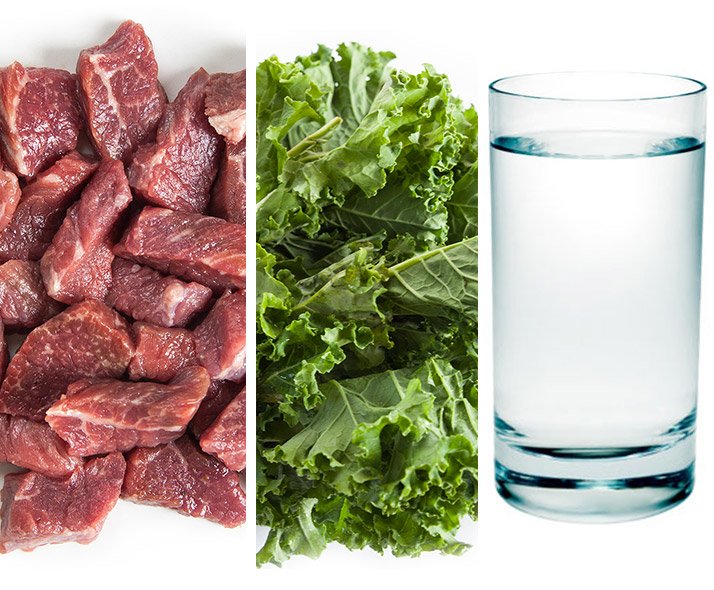
Repeat after me: protein, vegetables, water. If you forget everything else after reading this article, at least remember these three words. They're the nutritional foundation of fat loss.

Don't get me wrong—fat has its place, and it's an important one. But if your goal is to lose weight, eating more protein and vegetables and drinking more water are the priorities. Focus on getting more of all three, and you can solve a lot of problems.


Why? Let's break them down one at a time.

Protein: Aside from its ability to help you add muscle—which, in turn, helps to burn more fat—protein has several other benefits. It is slow to digest, which can help keep you feeling full throughout the day. It also has a high thermic effect, which means your body actually has to burn energy to digest and absorb protein. Yes, you understood that correctly: Protein can help keep you feeling fuller while eating less. To keep calories in check and encourage muscle-building at its highest, I recommend using lean animal proteins a majority of the time.

Veggies: After you're finished pummeling your protein, it's time to feast on veggies! Aside from the nutrient density and abundant antioxidants most vegetables have to offer, they also help to promote fullness due to their high water content. Fresh, frozen, or canned, each offers few calories per serving, which leads to larger portions and more fullness without the caloric overload or guilt trip.

SYMPTOMS OF DEHYDRATION

  • Hunger
  • Fatigue
  • Headaches
  • Lightheadedness
  • Trouble focusing
  • Irritability
  • Impaired short-term memory
  • Muscle cramps
  • Decreased speed and strength
  • Impaired reaction time
  • Symptoms can appear when you're dehydrated by as little as 3%!1,2


Water: With all of the hoopla around macronutrients, it's easy to forget that water is an essential nutrient, too. After all, we're at least 70 percent water, which means we're more water than protein! Aside from the cognitive and performance benefits associated with proper hydration, it's crucial to drink water consistently throughout the day to further promote fullness, prevent dehydration, and boost recovery from exercise. Of course, this calorie-free fluid also takes up ample space in your stomach, preventing you from trying to fill it with candy and cookies.

These priorities can even extend to the order in which you eat things on your plate. Try filling up on proteins and veggies first, with ample sips of water throughout the meal. If you still have room afterward, that's when to eat your carbs and fats.

2.FIX ONE MEAL AT A TIME

Look at some fitness-related Instagram feeds, and you might get the impression that you have to prep every meal every day to get results. You don't.

Identify the one meal that is the most troublesome for you each day. Maybe you often skip lunch because you're overloaded with meetings and projects all day, or you frequent the fast-food drive-thru for dinner on the reg. Maybe you still eat the breakfast of an overactive 6-year-old, and your wavering energy level throughout the day shows it. Tackle whatever meal gives you the most difficulty in consistently making sound nutritional choices.

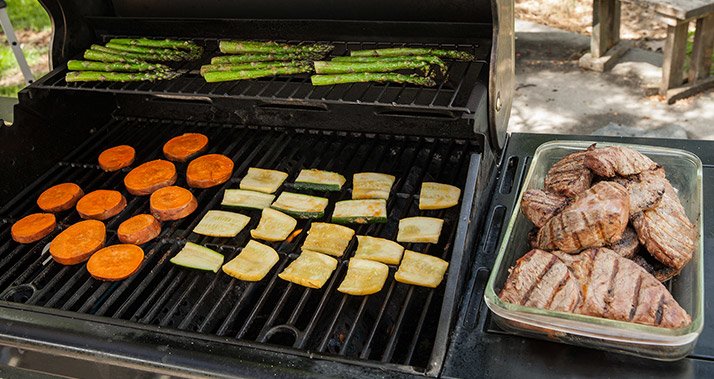
First, make a plan. Plot out what you will eat for that specific meal each day of the week. Not just today, or tomorrow—every day of the week. If it's lunch or dinner, iron out your lean protein and vegetables (and carbohydrates, depending on the meal,) and decide which ones you will include in that meal. Maybe it's salmon and broccoli tomorrow, and grilled chicken with green beans the next.

Once you've got your foods picked, make the meal happen! Carve out the time to cook, portion, and pack the ingredients for this meal for the next few days. I'm not asking you to pack a week's worth of food, or even a day's worth—just one single meal per day.

If you can replace a few fast-food or vending-machine meals each week with some quality protein, vegetables, and water, that's a big step. You'll eliminate plenty of excess calories, improve your overall nutrition, and start building the habits that will lead to long-term progress.

3.LOOK FOR SIMPLE SWAPS

Steps 1 and 2 can be game-changers on their own, so by all means start there. Then, turn to the other caloric black holes that might be hiding in your life.

These don't always have to be attacked with the wholesale "replace a meal with a different meal" approach. Often, a simple ingredient swap can boost your intake of healthful nutrients while slashing fat and calories in half. You'd be surprised how effortlessly you can cut calories throughout your day. Here are a few places to start:

4.DON'T START TOO FAST

The biggest diet mistake is cutting calories too rapidly. This is because your metabolism is dynamic. It adapts to your current level of food intake and exercise, and it will respond to dramatic changes by trying to slow them down.

If you begin including regular exercise as well as reducing caloric intake by 1,000 or more calories per day, you will place your body in a rather large negative caloric balance. You're undoubtedly going to lose weight, and lose it fast. Initially, you may lose 2-5 pounds per week. However, this won't last.


Soon, your weight will plateau, and the next logical step is to further increase your treadmill time or to further reduce calories. But do this, and you'll only end up losing muscle and messing with your hunger-related hormones, both of which will do more harm than good to your results in the long term. It can also set you up for rapid weight gain when—not if—the hunger wins and you engage in an epic caloric splurge.

Losing 50 pounds isn't going to happen overnight, or in the next week, or even the next couple of months, and that's a good thing. That rate of loss wouldn't be sustainable, nor would it likely be healthy.

Here's what is healthy and sustainable: 1-2 pounds a week. Some weeks it will be more, some less. It probably won't be linear. But it's the rate to aim for, and it's how lasting change is achieved.

SOURCE BY : http://www.bodybuilding.com/fun/a-beginners-guide-to-healthy-fat-loss

Sunday, April 10, 2016

4 Tips For Sticking To Your Diet When Dining Out

Don't surrender your social life in an effort to eat clean. Learn how to navigate restaurant menus and stay on your diet while eating out!

Dieting doesn't have to mean skimping on romantic evenings out or losing time with family and friends. Instead of staying at home and missing out on a delicious restaurant meal, arm yourself with knowledge so you can be social and eat smart. Follow these four surefire tips to help you stick to your diet when dining out!

1.DON'T DRINK YOUR CALORIES

Cutting out soda, sweet tea, and alcohol is one of the simplest strategies to reduce overall calories when dieting. If you follow this tip at home, simply carry it with you to any restaurant meal. Choose calorie-free options such as water (bonus: this one is usually free!) or a diet beverage. Instead of blowing your calorie bank on liquids, save indulgences for the main course.


2.TAKE CONTROL OF YOUR MEAL

Too often, people are hesitant to speak up about their preferences when ordering at restaurants. Never feel obligated to accept a meal other than what you originally planned. While you might have to ask for off-menu replacements, you shouldn't settle for a meal that completely deviates from the one you planned. Take control of your meal using these simple methods:

PERSONALIZE PREPARATION METHODS

Restaurants are pretty good at offering low-fat cooking options such as baking, roasting, or grilling, but keep in mind that simply asking for something grilled may not be enough. Despite being grilled or roasted, steaks and fish are often cooked in butter—a noticeable flavor booster, but unnoticeable calorie-booster. Don't be afraid to ask the chef to hold the butter, skip the sauce, and bypass the oil so you can stay on track.

SKIP THE FREE OFFERINGS

Don't let the bread basket that greets you at the table be your downfall. Remember, snacking counts! Filling up on complimentary tortilla chips will still cost you calories. While it's easy to slowly nibble on these not-so-nutritious snacks, they disappear quickly, which can add unwanted calories fast. Take charge and simply inform your server ahead of time that you're not interested in the freebies. This will place the unnecessary calories out of reach.


MAKE THE MENU YOURS

Not digging the twice-baked-potato casserole that comes with the grilled sirloin? Maybe your mouth is watering over the quinoa salad served with the fresh catch of the day, but you're allergic to seafood. Rather than falling back to a simple grilled chicken breast and salad, speak up and ask the server specifically for what you want: the grilled sirloin and quinoa salad.

There's simply no reason why you shouldn't be able to order each item you want, even if what you're after isn't paired together on the menu. After all, the ingredients are sure to be on hand for both items. Take control of your meal and enjoy it.

3.EAT PROTEIN, VEGGIES, AND CARBS—IN THAT ORDER

You don't necessarily need to eat your macros in this order bite-for-bite, but you should focus primarily on consuming both your protein and vegetables before moving on to your carbohydrates.

Protein and high-fiber vegetables—sorry, mashed potatoes don't make the cut—help to slow down digestion, which leaves you feeling fuller, faster. By placing an emphasis on these two items from the start, you're less likely to overindulge in a creamy, sugary dessert because you're already full.

SUGARY DESSERT.

Your source of fat may come from your succulent steak, fresh vinaigrette, or even from sliced avocado. If you happen to have a healthy fat mixed in, go ahead and eat that in conjunction with the protein and veggies before thinking about crushing the carbs!

4.INSTILL PORTION CONTROL FROM THE START

From supersized and extra fries to all-you-can-eat extravaganzas, restaurants are quickly becoming patrons' favorite places, not only because of the dishes they serve, but because of the size of those dishes. Many people see it simply as "the bigger, the better." Sure, this nets you more bang for your buck, but if you're like many people and feel the urge to clean your plate(s), you're likely to hit your macros for the next three days all in one meal.

If you find yourself at a restaurant with oversized portions, request that a to-go box be brought out with your meal. This way, once your food arrives at the table, you can put away a portion for your next meal or two and focus on enjoying the amount at hand. Hey, it's like ordering two meals for the price of one!

SOURCE BY : http://www.bodybuilding.com/fun/4-tips-for-sticking-to-your-diet-when-dining-out

Friday, April 8, 2016

5 Best Foods To Help You Sleep Better!

Trouble sleeping? Check your diet. Eating particular foods can set you up for a blissful night in dreamland.

Proper sleep is essential for optimal muscle repair and growth. Unfortunately, many of us don't get anywhere near the recommended 7-9 hours per night.1 Sleep is essential for the production of growth hormone, which is a muscle-building hormone released during your deepest sleep.2 The less sleep you get, the less growth hormone released. Late-night YouTube binging could be why your six-pack is a few cans short.

And if you want to lose weight, skimping on sleep may make it harder to eat healthy. A study out of the American Journal of Clinical Nutrition determined that sleep restriction works to heighten your response to food, making it much harder to turn down the golden arches on your drive home.3 Plus, lack of sleep may increase the circulation of endocannabinoid in the blood, which works to increase your desire to eat by heightening the pleasure you receive from food.4

Thankfully, a better night's rest could be as simple as a trip to the supermarket. Use these edibles to build a sleep-friendly diet and get ready to feel energized like never before.

1.SALMON


Reeling in salmon more often for dinner may help you net better zzz's. A study in the Journal of Clinical Sleep Medicine discovered that people who consumed salmon three times a week for a six-month period reached deep sleep more quickly compared to subjects who got more of their protein from chicken, beef or pork.

Researchers found that the group who ate more salmon had less variation in their heart-beat intervals and higher levels of vitamin D, both of which may have a positive impact on sleep patterns.5 Plus, it appears that vitamin-D deficiency—which is fairly common—negatively influences sleep quality and quantity.6,7 Good thing salmon provides between 600-1,000 IU per 3-ounce serving!8

Need to know: For the most flavorful and sustainable catch of the day, cast your line for salmon labeled "wild" at the fishmonger. And don't overlook canned salmon, which offers a cost-effective and convenient source of sleep-inducing nutrition. Mackerel, sardines, herring, and sablefish are other fatty fish that may also help knock you out.

2.BEANS


Here's a good reason to spill the beans more often: A 2016 study from Columbia Medical School determined that consuming a high-fiber diet can help you spend more time in slow-wave sleep, a stage of deep sleep that is particularly restorative to the body.9 Beans are an excellent source of fiber—a half-cup has 15 grams!

Researchers found that adding high-fiber options to a diet normally laden in saturated fat and sugar had a powerful impact on sleep quality. A greater sugar intake is associated with more arousals from sleep, which could leave you feeling less than peppy on the gym floor.9 Perhaps improvements in blood glucose control brought about by a diet rich in fiber and low in processed sugars helps encourage improved sleep quality.

Need to know: It's hard to go wrong with any bean choice, as they are all packed with fiber, so look for ways to work them into your diet more often. Toss them onto salads, add them to soups and tacos, or even mix them into a breakfast scramble.

3.TART CHERRY JUICE

George Washington must have not given a damn about his sleep, or he would have never chopped down his father's cherry tree. Research suggests that sipping tart cherry juice can bring about improved sleep quality and duration.10-12

How? The naturally occurring melatonin present in the lip-puckering fruit may work to give it insomnia-busting powers. Melatonin is a hormone that may help support sound sleep habits.

Need to know: When shopping for tart cherry juice, look for brands that are made with 100 percent cherry juice. Skip products diluted with cheap fillers like apple juice. Or, better yet, turn to tart cherry concentrate, which is a syrupy, highly concentrated version of regular tart cherry juice that can be mixed with water.

If you're having sleeping difficulties, mix 2 tablespoons tart cherry concentrate with a cup of water and drink it an hour or two before you hit the hay.

4.SOY NUTS

These crunchy nuggets are made from soaked whole soybeans that are roasted until crispy. Due to their high isoflavone content, they may just hold the secret weapon to a restful night's snooze. A study out of the Nutrition Journal discovered that a higher isoflavone intake was associated with improved sleep duration and quality among 1,076 adults.13

Isoflavones have a mild estrogenic effect, and since estrogen plays a role in sleep regulation, it makes sense that greater intakes could help you score better shut-eye. Soy nuts happen to contain a large amount of isoflavones, which may be why they work great as a nutty nightcap.

Need to know: Look for dry roasted soy nuts to sidestep the poor-quality vegetable oils often used in oil-roasted versions. Tofu, tempeh, miso, soy milk, and flax are other ways to add some isoflavones into your diet to improve your sleep.


5.PISTACHIOS

Pistachios provide fiber, protein, and heart-healthy fats, and a couple handfuls each day could help you snooze better. The green nuts are a good source of vitamin B-6, a vitamin our bodies need to make slumber-inducing melatonin and the neurotransmitter serotonin.14,15

Consider chopping them up and adding them to your dinner salad, or slather some pistachio butter on a few whole-grain crackers or apple slices as part of a bedtime snack.

Need to know: If you have trouble practicing portion control when it comes to such a delicious nut, purchase unshelled pistachios. Scientists at Eastern Illinois University found that snacking on unshelled pistachios can help control your intake.16 Having to shell the nuts slows down your eating.

SOURCE BY : http://www.bodybuilding.com/fun/5-best-foods-to-help-you-sleep-better

Wednesday, April 6, 2016

3 Breathing Exercises For Stress Management At Work

Let’s face the reality of living in the 21st century – we’re stressed. We’re bombarded all day long with information, the demands of work and family, our phones, our kids, and our responsibilities. This is only amplified if you live in an urban environment with added traffic, congestion, and noise pollution.

Left untouched, this stress of modern life can do harm to both your body and brain.

Fortunately, there are ways to combat stress, and one of simplest ways is with your own breath.

If you’ve ever taken a large breath before a big meeting or maybe a few seconds before giving a speech, you know how deep breathing can calm you down. Breath has amazing power over our physiology. By learning some simple breathing exercises, you can learn to manage stress and even control it.

What Kind of Breather are You?


Let’s start with the awareness of your breath. How much do you really think about your breathing? If you’re like most people, probably not much. Most of us walk around pretty unaware of how we inhale and exhale.

Here’s a quick 15-second test to determine what kind of breather you are:


With your right hand on your chest and your left hand on your belly, take one deep breath – hold it for a second – and let it go. Do it one more time. On this second breath, notice which hand moved more when you breathed in? If your right hand (the top one) moved more than your left (the one on your belly) or if you felt your shoulders move up and down, then you’re most likely a chest breather.

Unfortunately, many of us breathe way too much from our chest and neck. Most of us aren’t even aware of it. I know I certainly wasn’t. But once I understood the mechanics of breathing, I started to pay closer attention. I then realized that I was a big-time chest breather. But the good news is that you can change it quite easily.

First off, what’s so bad with chest breathing? Well, here’s a short list:

1. Fight or Flight: Chest breathing triggers the sympathetic nervous system (fight or flight), which can cause serious health problems if chronically triggered.

2. Improper Muscle Activation: Utilizes improper breathing muscles not designed for breath (intercostals, chest, neck, and upper back), which can lead to overuse and compensation injuries.

3. Less Oxygen to Muscles: Not as efficient at transferring oxygen to blood when compared to diaphragmatic breathing.

Why Does How You Breathe Matter?


The autonomic nervous system has 2 main systems – the sympathetic which is known as “fight or flight” and the parasympathetic, know as “rest and digest.” Most of us run around all day in a heightened fight-or-flight state (sympathetic system). While effective at allowing us to out-run a tiger or lion, increased time in a sympathetic state can create elevated and damaging stress on the body.

Deep breathing (one of the breathing exercises you’ll learn) triggers the parasympathetic system (rest and digest), allowing the body to recover properly and manage stress more effectively.1 There is a fascinating book on the topic of stress and breathing – Why Zebras Don’t Get Ulcers is an entertaining, yet highly informative read on the whole subject of stress and it’s effect on human beings.

The main point that author Robert Sapolsky makes is that acute stress, that of short duration, like exercise or a challenging work project, is healthy. It’s actually what makes us stronger and smarter.

But the real issue is chronic stress – the type of stress that comes from your boss, that email from co-worker, traffic, noise pollution, etc. It’s prolonged time in that elevated sympathetic state that becomes problematic. It can exacerbate many modern illnesses, suppress the immune system, and create high blood pressure.2

3 Simple Breathing Techniques To Reduce Stress


The good news is you can manage your stress with simple breathing and relaxation techniques.3

Here are 3 effective and easy breathing techniques to help trigger the parasympathetic system and reduce stress levels.

1) Belly Breathing

Using the feedback of your hands, this technique brings awareness to how you are breathing. This is very similar to our test above where you place your right hand on your chest and your left hand on your stomach. The focus in active belly breathing is on your left hand, or on your stomach.

Instructions: Sit or lay down in a comfortable position. Take deep inhales, expanding your belly – use your diaphragm muscle which will push the stomach outwards, moving your left hand as your belly expands. Exhale deeply and let the belly return to normal. The right hand on your chest should remain still. Try for 10-15 cycles (one inhalation & exhalation is one cycle) of deep belly breaths.

2) Crocodile Breathing

This is one of my favorite breathing exercises, and it builds off what you learned in the belly breathing exercise. This exercise adds a little resistance (through gravity) to your breathing, helping your breathing muscles fire more effectively.

Instructions: Lying facedown on the ground, rest your forehead on top of your hands. Relax and take deep breaths into your mid-torso area. The idea with crocodile breathing is to try to expand the full 360 degrees of your lower torso (meaning your belly, back, and sides) with breath. You should feel your belly get full and wide on the ground as you breathe deeply. This ensures that you’re using your diaphragm and not your chest. Shoot for 3-5 minutes of crocodile breathing. Choose a relaxing song that lasts somewhere between that time, or set a timer so you can focus on your breathing instead of the clock.

3) Cycled, Balanced Breathing

Maybe the simplest but still highly effective technique is the cycled, counted breathing technique. Popular with a lot of mindfulness practices, you simply count the duration of each inhale and exhale, progressing the duration of each in a ladder format.

Instructions: Start with a simple 4-ladder breath exercise. It works like this. Start by taking an inhale for 1 second, hold for 1 second, and then exhale for 1 second. Then inhale for 2 seconds, hold for 2 seconds, and exhale for 2 seconds. Continue up to 4 seconds, and then go back down to 1. Repeat this cycle for 2-3 minutes.

If you want to read more about breathing, check out: Why Don’t Zebras Get Ulcers, by Robert Sapolsky


SOURCE BY: http://www.builtlean.com/2016/03/07/breathing-exercises-stress-management/